


Commercial Kitchen Equipment Buying Guide for Modern Food Businesses
A kitchen can have a great menu, skilled cooks, and steady orders, yet still lose time and money because the equipment does not fit the work. The wrong fryer slows service. An oversized oven eats electricity. A cheap refrigerator becomes expensive when it fails during a busy weekend.
Buying commercial kitchen equipment is not only a purchase decision. It affects food quality, staff movement, safety, energy bills, maintenance, and how fast the business can grow. A cloud kitchen, café, bakery, hotel kitchen, QSR outlet, and catering unit all need different setups, even when they use some of the same tools.
This guide walks through the main equipment categories, the buying criteria that matter, and the practical checks to make before spending.
Start with the menu and kitchen workflow
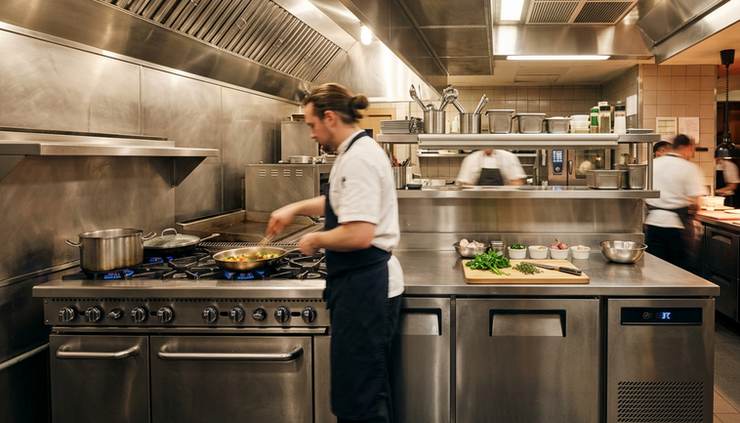
Equipment should follow the menu, not the other way round. A South Indian breakfast outlet needs griddles, steamers, wet grinders, and hot holding. A pizza kitchen needs deck ovens, dough mixers, cold prep counters, and display refrigeration. A bakery needs planetary mixers, proofers, ovens, racks, and precise cooling.
Before listing equipment, map the kitchen into work zones:
Receiving and dry storage
Cold storage
Preparation
Cooking
Plating or packing
Dishwashing
Waste handling
This matters because poor placement can tire staff and slow production. If the freezer sits far from the prep table, every batch takes extra steps. If the dishwashing area blocks the service line, dirty trays interrupt orders. If the fryer and grill sit without proper ventilation, heat and grease spread everywhere.
A simple rule helps: ingredients should move forward through the kitchen with the least possible backtracking. Raw material enters, gets stored, prepped, cooked, packed or plated, then waste and used utensils move away from the clean food path.
For Indian conditions, also check power load, water pressure, drainage, gas line safety, and ventilation before buying. A machine that looks perfect in a catalogue may not suit the building.
Know the core equipment categories
Most commercial kitchens need a mix of cooking, refrigeration, preparation, storage, cleaning, and safety equipment. The exact list depends on the business model.
Cooking equipment
Cooking equipment usually takes the largest share of space and power. Common options include:
Gas ranges
Induction ranges
Fryers
Griddles
Tandoors
Combi ovens
Deck ovens
Steamers
Tilting bratt pans
Rice boilers
Salamanders
Gas equipment suits many Indian kitchens because fuel is familiar and heat control is direct. Induction works well where the menu needs cleaner heat, lower kitchen temperatures, or faster boiling. Ovens suit bakeries, cafés, hotels, and kitchens that want batch consistency.
For high-volume menus, do not buy only for peak heat output. Check recovery time too. A fryer that takes too long to regain temperature after each batch will give oily, uneven results during rush hours.
Refrigeration equipment
Refrigeration protects stock, reduces waste, and keeps food safe. Common choices include:
Reach-in refrigerators
Undercounter chillers
Deep freezers
Walk-in cold rooms
Display chillers
Cold prep counters
Blast chillers
Match the unit to how often staff open it. A deep freezer works for bulk storage, but it slows service if staff need frequent access. A cold prep counter suits sandwich, salad, momo, pizza, and dessert stations because ingredients stay close to the worktop.
In warm Indian climates, refrigeration units work harder. Check insulation quality, door seals, compressor rating, and service access. A cheaper unit may consume more electricity over time.
Preparation equipment
Preparation equipment saves labour and gives consistent results. It often pays for itself in busy kitchens.
Useful prep machines include:
Vegetable cutters
Dough kneaders
Planetary mixers
Meat mincers
Wet grinders
Potato peelers
Slicers
Food processors
Work tables
Weighing scales
Manual prep may seem cheaper at first, but staff hours add up. A small café may manage with basic knives and mixers. A canteen, base kitchen, or catering unit needs stronger machines that can run for longer periods without overheating.
Look at bowl size, blade quality, duty cycle, cleaning effort, and spare part access. If a machine is hard to wash, staff may avoid using it or clean it poorly.
Storage and shelving
Storage looks simple, but it shapes hygiene and speed. Stainless steel racks, wall shelves, ingredient bins, GN pans, and mobile trolleys keep the kitchen organised.
Choose storage based on the type of stock:
Dry ingredients need closed bins and raised shelving.
Fresh produce needs ventilated crates or chillers.
Cooked food needs covered food-grade containers.
Heavy sacks need strong lower racks.
Fast-moving items need easy reach.
Keep goods off the floor. Leave space under shelves for cleaning. Label ingredients clearly, especially in central kitchens where several teams share storage areas.
Dishwashing and cleaning equipment
A kitchen that cannot clean fast enough cannot serve fast enough. Dishwashing equipment includes pre-rinse spray units, sinks, dishwashers, glass washers, drying racks, grease traps, and floor cleaning tools.
Restaurants with heavy dine-in service may need a commercial dishwasher. Cloud kitchens may manage with sinks and proper workflow, depending on volume. Hotels and banquet units need larger warewashing systems.
Plan the dirty-to-clean flow carefully. Used plates, greasy vessels, and food waste should not pass through prep or plating areas.
Buy for capacity, not guesswork
Capacity mistakes are common. New operators often underbuy to save capital or overbuy because they expect instant growth.
Start with realistic numbers:
Average orders per day
Peak orders per hour
Batch size
Menu preparation time
Storage cover in days
Staff on each shift
Future growth for the next 12 to 24 months
If a biryani outlet expects 300 portions on weekends, the cooking vessels, rice boiler, cold storage, hot holding, packaging counter, and dishwashing process must all support that volume. One weak point can slow the whole kitchen.
For refrigeration, calculate storage based on ingredient type and delivery frequency. If suppliers deliver daily, you may need less cold storage. If delivery is irregular or prices change often, more storage may help, but it will take space and electricity.
For ovens, fryers, and grills, ask vendors about usable output, not only machine size. A large appliance with poor heat distribution may perform worse than a smaller, better-built unit.
Compare total cost, not only purchase price
The lowest quote can become the most expensive choice. A better buying decision looks at total cost over the life of the equipment.
Key cost factors include:
Cost factor | Why it matters |
Purchase price | Affects starting budget and loan needs |
Energy use | Impacts monthly bills, especially for refrigeration and ovens |
Water use | Matters for dishwashers, steamers, and cleaning systems |
Maintenance | Regular servicing prevents breakdowns |
Spare parts | Delays can stop production |
Installation | Gas, exhaust, drainage, and electrical work add cost |
Downtime | Failed equipment can cause lost orders and wasted stock |
A bakery oven, walk-in chiller, or commercial dishwasher may last years if maintained well. Paying more for build quality, safer controls, and easy servicing can make sense for key equipment.
For non-critical items, a mid-range option may be enough. For equipment that holds the business together, such as refrigeration in a cloud kitchen or an oven in a bakery, choose reliability over a small saving.

Check materials, build quality, and food safety
Commercial kitchens need equipment that can handle heat, moisture, grease, cleaning chemicals, and constant use. Domestic appliances rarely survive this environment.
Look for these build features:
Food-grade stainless steel contact surfaces
Smooth edges and clean welds
Strong hinges and handles
Easy-to-remove trays, baskets, and filters
Stable legs or castors with brakes
Drain points where needed
Heat-resistant knobs and switches
Proper insulation in ovens and refrigeration
Stainless steel grades matter, especially where equipment touches food or water. Many kitchens use different grades in different parts to balance cost and durability. Ask the supplier what grade is used for the worktop, inner chamber, shelves, and outer body.
Food safety also depends on clean design. Avoid equipment with deep gaps, exposed screws near food zones, or inaccessible corners where food can collect. The best machine is not only powerful, it is easy to clean every day.
Plan utilities before placing orders
Many equipment issues begin after delivery, when the site is not ready. Before finalising the order, confirm the services each machine needs.
Check these points:
Electrical phase and load
Plug type and isolator location
LPG or PNG requirement
Exhaust hood size and duct path
Fresh air supply
Water inlet pressure
Drainage slope and floor trap location
Grease trap need
Floor strength for heavy equipment
Door width and delivery access
Large cold rooms, ovens, and dishwashers need careful installation. If the machine cannot pass through the entrance, or the power load is lower than required, installation will get delayed.
Ventilation deserves special attention. Heat, smoke, and grease affect staff comfort and fire risk. A proper exhaust system protects walls, ceilings, equipment, and the people working in the kitchen.
Decide between new, used, and custom equipment
New equipment gives warranty support, longer service life, and better certainty. It suits critical machines, hygiene-sensitive areas, and businesses that expect heavy daily use.
Used equipment can work for lower-risk items if inspected well. Stainless steel tables, racks, trolleys, and some simple gas equipment may be worth considering. Be more careful with refrigeration, ovens, and dishwashers because hidden faults can be costly.
Custom fabrication helps when the kitchen has unusual dimensions or a very specific workflow. It works well for counters, sinks, shelves, service counters, and some cooking lines. Make sure the fabricator understands food-grade construction, drainage, cleaning access, and heat safety.
A balanced approach often works best. Buy new for critical equipment, custom-build for space fit, and use carefully selected second-hand items only where the risk is low.
Ask vendors the right questions
A good supplier should do more than share a price list. The supplier should understand the menu, site conditions, service needs, and daily usage.
Ask these questions before placing an order:
What capacity does this machine deliver during peak use?
What power, gas, water, and drainage does it need?
What is included in installation?
What warranty does it carry?
How quickly can service support reach my location?
Which spare parts are commonly needed?
How should staff clean it each day?
Can the supplier provide training after installation?
What happens if the machine fails during warranty?
Keep written quotations and technical sheets. Compare the same specifications instead of comparing only the final amount. If one quote includes installation, freight, starter kit, and warranty support while another does not, the cheaper number may not be cheaper.
Do not ignore maintenance access
Equipment needs space around it for cleaning and service. A refrigerator pushed tightly against a wall may overheat. A fryer without side clearance becomes hard to clean. A dishwasher without access to water filters and drains will frustrate technicians.
Build maintenance into the layout:
Leave access panels reachable.
Keep compressors ventilated.
Place grease filters where staff can remove them safely.
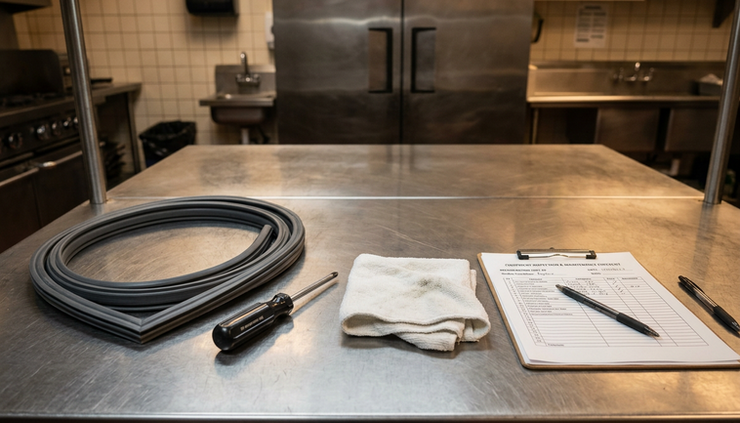
Keep spare seals, bulbs, baskets, and knobs available.
Maintain a service log for major equipment.
Daily cleaning and scheduled servicing can prevent many breakdowns. Staff should know what to clean, what to inspect, and what to report. A loose door gasket or noisy fan is easier to fix early than after a full failure.
Build a practical buying checklist
Before signing the final order, run each item through a short checklist.
Menu fit
The equipment supports the actual dishes and cooking style.
Peak capacity
The machine can handle rush-hour demand without slowing the line.
Space fit
The equipment fits the kitchen, delivery path, and cleaning clearance.
Utility fit
Power, gas, water, exhaust, and drainage are ready or budgeted.
Food safety
Surfaces, temperature control, and cleaning access meet hygiene needs.
Service support
Warranty, spares, and technician availability are clear.
Running cost
Energy, water, maintenance, and downtime are part of the decision.
Staff usability
Controls are simple, cleaning is practical, and training is available.
If an item fails several of these checks, pause before buying. The right equipment should make work easier every day, not create a new problem for the team.
The smartest kitchens buy with the future in mind
Modern food businesses need kitchens that are fast, clean, safe, and flexible. That does not mean buying every expensive machine available. It means choosing equipment that matches the menu, volume, site, team skill, and growth plan.
Start with workflow. Size equipment for real demand. Compare the full cost, not just the quote. Check build quality, service support, and maintenance access before the purchase. A well-planned kitchen may not look dramatic on day one, but it will show its value during the lunch rush, the festive season, and every busy service after that.


Comments